
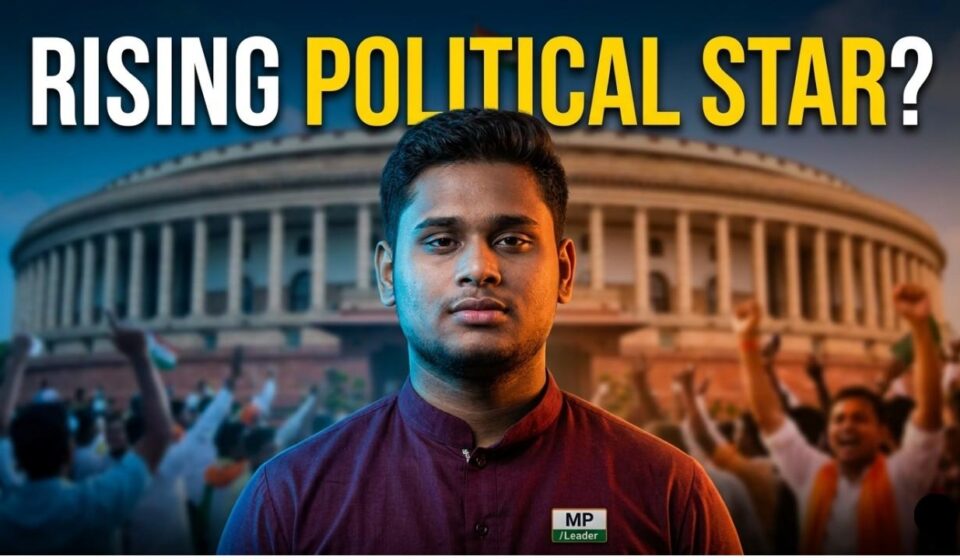
Hasnat Abdullah Biography From Student Leader to MP & More

Hasnat Abdullah Biography Rise of a Gen Z Political Leader
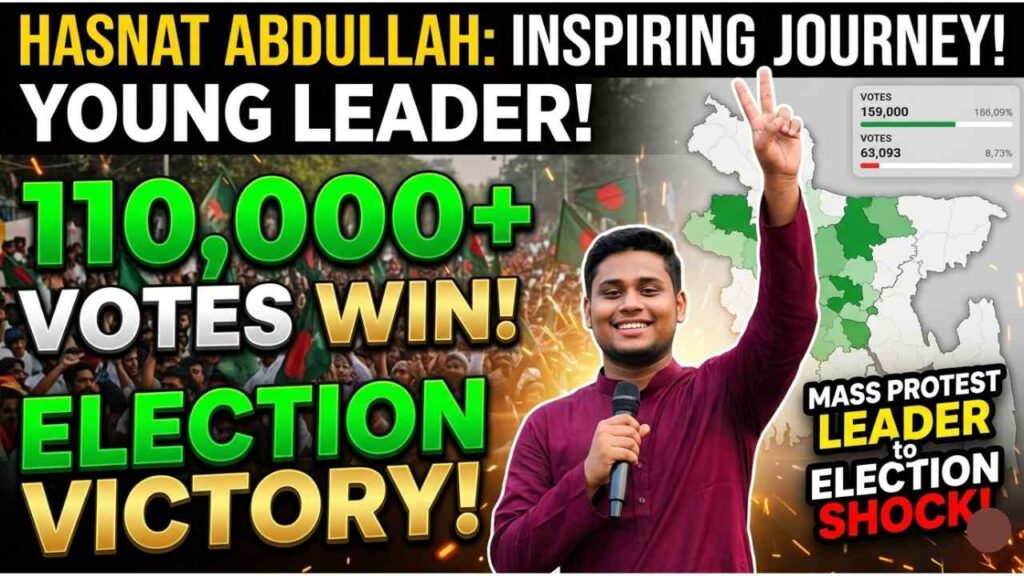
Hasnat Abdullah Biography presents the journey of a prominent Gen Z political figure from Bangladesh. Born on 28 February 1998 in Debidwar, Comilla, he is widely recognized as a student activist, teacher, online instructor, and influential political leader. He gained national prominence as the convener of the Students Against Discrimination movement in 2024, which played a pivotal role in shaping youth-led protests across Bangladesh.
A graduate of the University of Dhaka, Hasnat Abdullah emerged as a central figure in the quota reform movement and the broader student–people uprising. His leadership style combines grassroots activism with strong policy awareness.
In 2025, he became the Chief Organiser (Southern Region) of the National Citizen Party (NCP), marking his transition into formal politics. Known for his bold speeches and reformist agenda, he represents a new wave of youth leadership.
He is married to Sabrina Jahan Nusrat, and the couple welcomed their son, Hammad Abdullah Hamza, in late 2025 and Also Read Dr Tasnim Jara Biography
Hasnat Abdullah Early Life & Background
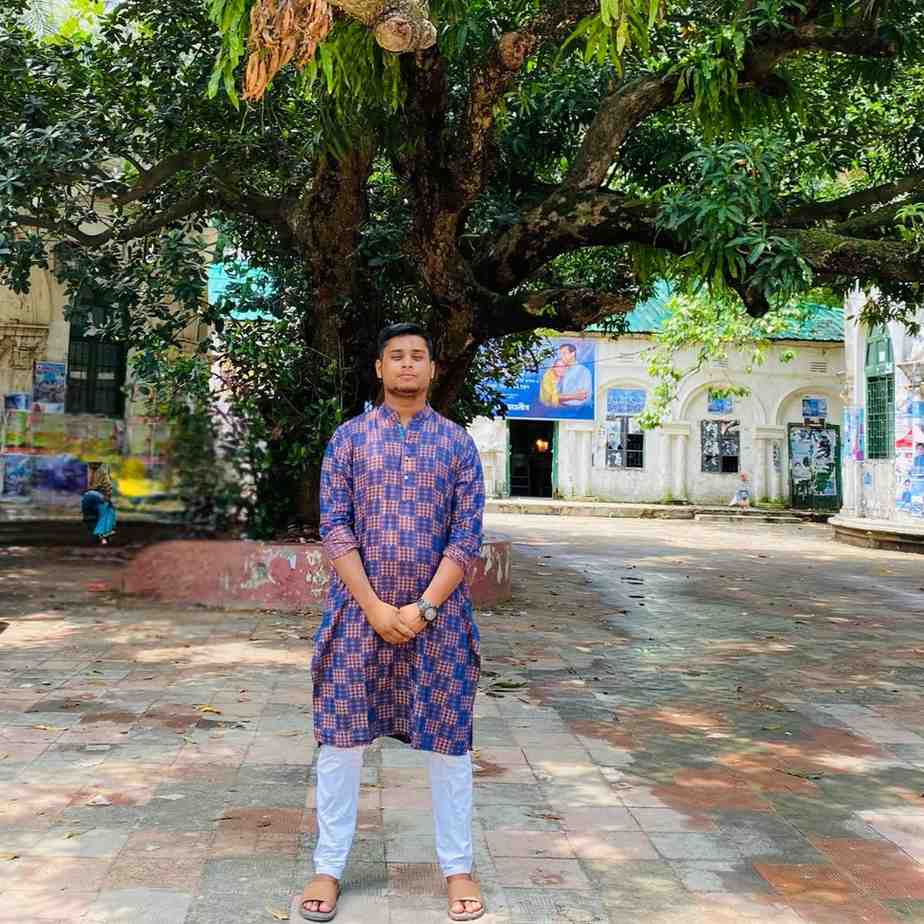
The foundation of Hasnat Abdullah Biography begins in the rural heartland of Debidwar, Comilla, Bangladesh, where he was born into a modest yet value-driven family. His father, Jalal Uddin, and mother, Jahanara Yeasmin, played a crucial role in shaping his early worldview. Raised in an environment that emphasized discipline, education, and social responsibility, Hasnat developed a deep awareness of societal inequalities from a young age.
Growing up in a region that faced infrastructural challenges, including poor road conditions and limited public services, he witnessed firsthand the everyday struggles of ordinary citizens. These experiences would later become the driving force behind his activism. The influence of his upbringing is clearly reflected in hasnat abdullah family, which instilled in him a strong sense of justice and accountability.
From an early age, Hasnat showed signs of leadership and creative thinking. One of his most notable early activism efforts was a symbolic protest in Debidwar, where he released fish into potholes on damaged roads. This act was not just a protest but a powerful message: if roads cannot be repaired, they might as well be used for fish farming. The protest quickly went viral and showcased his ability to communicate complex issues in simple yet impactful ways.
His grassroots connection remained strong throughout his early life. He actively engaged with local communities, highlighting issues such as road safety, lack of maintenance, and public negligence. He even raised concerns about fatal road accidents caused by poor infrastructure, bringing attention to long-ignored problems.
Hasnat’s communication style became a defining trait. Using sarcasm and relatable language, he effectively connected with the masses. Statements like “The road is so bad it can be used for fish farming” resonated deeply with the public.
This early phase of Hasnat Abdullah Biography reflects a young leader shaped by real-world challenges, grounded in community values, and driven by a desire to create meaningful change & Also Read Misty Jannat Husband Actress
Hasnat Abdullah Education & Personal Development
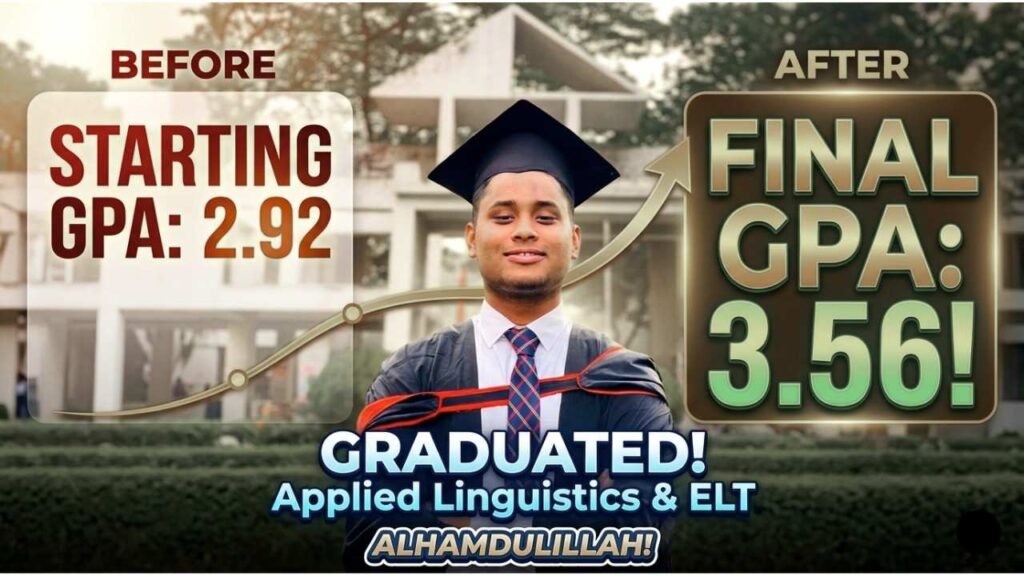
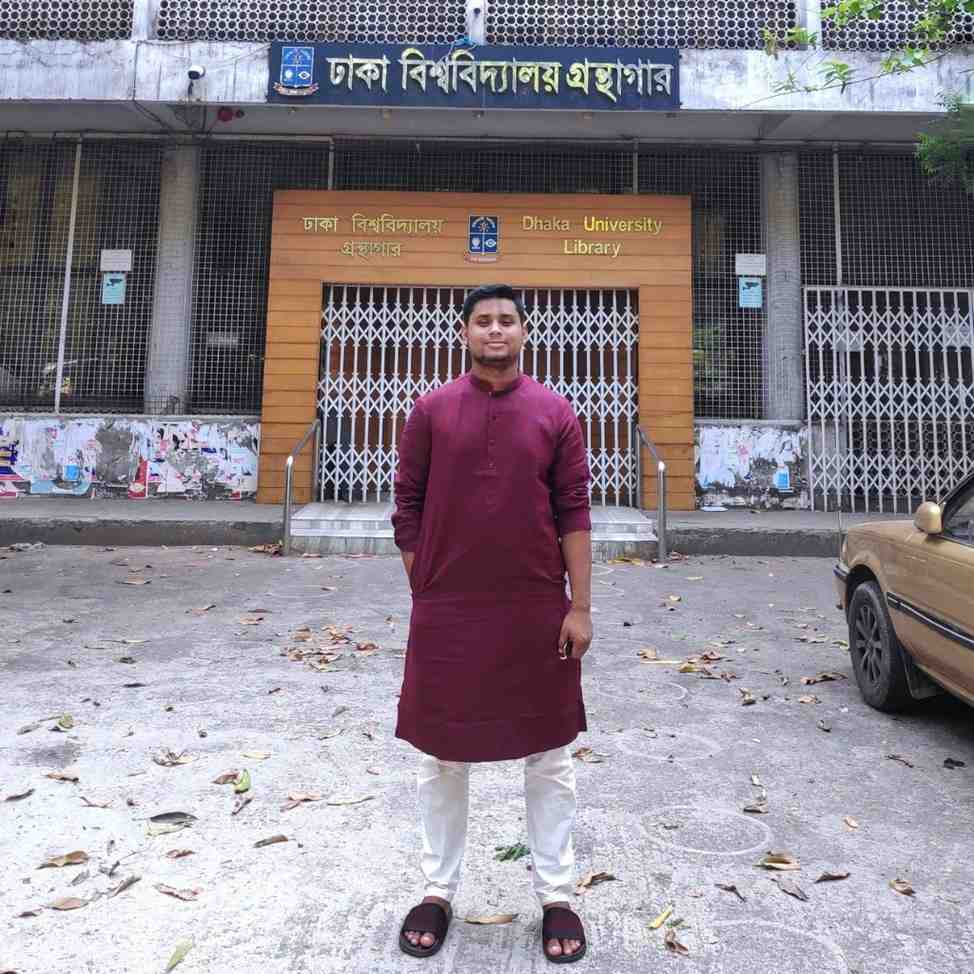
Education played a transformative role in shaping the intellectual and political identity of Hasnat Abdullah. His academic journey led him to the University of Dhaka, one of Bangladesh’s most prestigious institutions, where he not only pursued formal education but also developed a strong foundation in critical thinking and leadership.
Hasnat Abdullah education qualification reflects a blend of academic excellence and practical engagement. During his university years, he actively participated in student discussions, debates, and movements, which sharpened his analytical abilities and policy understanding.
His time at Dhaka University also marked the beginning of his involvement in organized activism. He became part of structured student leadership networks and contributed to building decentralized movement strategies. These experiences helped him understand the dynamics of mass mobilization and leadership coordination.
Interestingly, hasnat abdullah family continued to play a supportive role during this phase. His personal life also evolved during this period, as he later married Sabrina Jahan Nusrat, who is also associated with Dhaka University. Their partnership reflects mutual understanding and shared academic roots.
Apart from academics, Hasnat worked as an English teacher in coaching centers and as an online instructor. This teaching experience significantly enhanced his communication skills, allowing him to articulate complex political and legal concepts effectively.
Hasnat Abdullah education qualification also contributed to his deep understanding of legal frameworks and policy structures. This knowledge later became evident in parliamentary debates, where he demonstrated clarity on constitutional provisions and governance systems.
His educational journey was not limited to textbooks; it extended into real-world experiences, leadership challenges, and intellectual growth.
This phase of Hasnat Abdullah Biography highlights how education became the backbone of his transformation from a student into a thoughtful and strategic leader. & Also Read Anjuman Mehjabin Biography
Hasnat Abdullah Career Start & Struggles
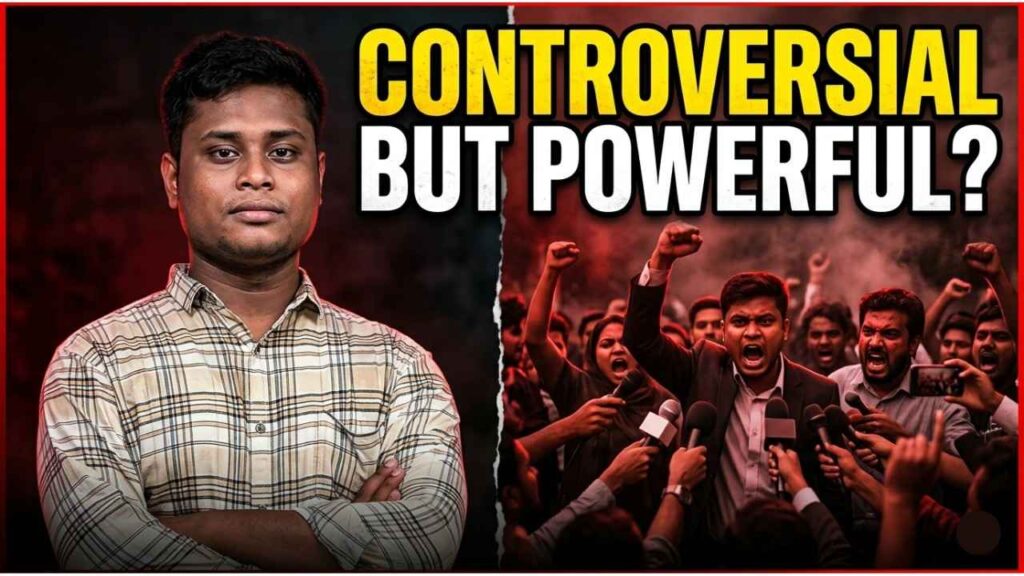
The early career of Hasnat Abdullah is deeply rooted in activism and resistance. His journey began as a student leader during the 2024 Bangladesh quota reform movement, where he emerged as a key figure in organizing protests against the government’s job quota system.
hasnat abdullah career took a defining turn when he became the convener of Students Against Discrimination. Under his leadership, the movement expanded nationwide, challenging policies and mobilizing thousands of students.
The struggle was intense. He faced government pressure, surveillance, and even detention during the July 2024 movement. Despite these challenges, he remained steadfast, continuing to lead protests and coordinate nationwide actions.
A major turning point came during the Chief Justice resignation movement. Hasnat demanded the immediate appointment of Justice Syed Refaat Ahmed and organized a High Court march. Within hours, the sitting Chief Justice resigned, marking a significant victory for the movement.
hasnat abdullah politics began to take shape during this period, as he transitioned from student activism to broader political engagement. His leadership strategy focused on decentralization, ensuring multiple leaders could sustain the movement.
His hunger strike at Dhaka University further elevated his profile, bringing national attention to his cause.
Eventually, he entered electoral politics as a candidate from the Cumilla-4 constituency under an 11-party alliance.
This phase of Hasnat Abdullah Biography reflects resilience, courage, and the ability to transform struggle into opportunity. And Also Read Sajia Tonny Biography
Success, Achievements & Recognition
The success phase of Hasnat Abdullah’s journey is marked by remarkable achievements and national recognition. His electoral victory from Cumilla-4 stands as a defining milestone.
Winning by over 110,136 votes, with a total of 166,583 votes, he secured a historic mandate. This victory established him as a powerful voice in national politics.
As Hasnat Abdullah MP, he actively participates in parliamentary debates, raising critical issues related to governance, education, and institutional integrity.
He openly criticized institutions like the Bangladesh Cricket Board, calling it “Baper Doa Cricket Board,” highlighting concerns about nepotism and lack of transparency.
hasnat abdullah politics is characterized by bold statements and fearless criticism of government policies. He has questioned the politicization of institutions like Bangladesh Bank and the National Human Rights Commission.
His legal awareness is evident in his references to constitutional articles such as 7A, 7B, 48(3), and 106 during parliamentary sessions.
hasnat abdullah career also includes advocating for education reforms, opposing the lottery-based admission system, and highlighting inequality in education systems.
As Hasnat Abdullah MP, he continues to push for transparency, accountability, and democratic reforms.
Present Life, Influence & Future Plans
Today, Hasnat Abdullah stands as a symbol of youth-driven political transformation in Bangladesh. As Chief Organiser (Southern Region) of the National Citizen Party, he is part of the influential “Super Ten” leadership group.
His personal life remains stable and supportive. hasnat abdullah family now includes his wife Sabrina Jahan Nusrat and their son, Hammad Abdullah Hamza, born in late 2025.
Hasnat Abdullah education qualification and experience continue to guide his policy-driven approach.
His ideology centers on “Bullet vs Ballot,” emphasizing democratic processes over violence. He advocates for anti-corruption measures, fair elections, and institutional independence.
hasnat abdullah politics also focuses on grassroots development, particularly in Debidwar, where he aims to create a drug-free and extortion-free environment.
As Hasnat Abdullah MP, he is expected to play a crucial role in shaping Bangladesh’s political future.
📈 Growth Journey Graph
2018 — Teaching & Early Activism — Low
2024 — Quota Reform Movement — High
2024 — Arrest & Pressure — Medium
2025 — Election Victory — High
2026 — Parliamentary Influence — Peak
And Also read Rajib Hasan Shibli Biography
Hasnat Abdullah Biography Age Career Family & Politics

Hasnat Abdullah (হাসনাত আব্দুল্লাহ)
Basic Information
Family Details
Education & Qualification
Political Career
Electoral Victory
Movements & Activism
Parliamentary Role
Political Ideology
Media & Style
Public Influence
Development Vision
Legal Actions & Protests
Education Policy
Growth Journey & Timeline
| Year | Event | Impact |
|---|---|---|
| 2018 | Teaching Career Start | Low |
| 2024 | Student Movement Leader | High |
| 2024 | Arrest & Pressure | Medium |
| 2025 | Election Victory | High |
| 2026 | Parliamentary Influence | Peak |
Estimated Income (2025)
| Source | Estimated Income |
|---|---|
| MP Salary | $18,000 |
| Teaching | $8,000 |
| Public Speaking | $6,000 |
| Other Sources | $4,000 |
“Super Ten” Leadership – National Citizen Party
| No. | Name | Position | Key Role |
|---|---|---|---|
| 1 | Nahid Islam | Convener | Main leader, movement strategist |
| 2 | Akhter Hossen | Member Secretary | Organizational management |
| 3 | Nasiruddin Patwari | Chief Coordinator | Movement coordination |
| 4 | Samanta Shermeen | Senior Joint Convener | Student politics & activism |
| 5 | Ariful Islam Adib | Senior Joint Convener | Coalition coordination |
| 6 | Abdul Hannan Masud | Senior Joint Chief Coordinator | Protest organization |
| 7 | Dr Tasnim Zara | Senior Joint Member Secretary | Health & public awareness |
| 8 | Nahida Sarwar Niva | Senior Joint Member Secretary | Student movement leadership |
| 9 | Sarjis Alam | Chief Organiser (Northern) | Regional mobilization |
| 10 | Hasnat Abdullah | Chief Organiser (Southern) | Grassroots & youth mobilization |
Hasnat Abdullah MP – Clickable Verified Sources
| Person | Source | Type | Purpose |
|---|---|---|---|
| Hasnat Abdullah | Wikipedia Profile | Encyclopedia | Basic biography & background |
| Hasnat Abdullah | The Business Standard | News | NCP leadership & political rise |
| Hasnat Abdullah | Dhaka Tribune | News | Judiciary protest coverage |
| Hasnat Abdullah | TBS – Court Protest | News | Chief Justice appointment demand |
| Hasnat Abdullah | Prothom Alo Archive | Archived News | Historical protest verification |
| Hasnat Abdullah | TBS – Movement Guidelines | News | Student movement coordination |
| Hasnat Abdullah | TBS Election Report | Election News | Cumilla-4 election results |
| Hasnat Abdullah | Kaler Kantho | News | Political profile & influence |
| Hasnat Abdullah | Prothom Alo | News | National political reporting |
📱 Hasnat Abdullah – Official Social Media Profiles
Hasnat Abdullah MP Biography – People Also Ask
People Also Ask — Hasnat Abdullah MP
Activist, parliamentarian & chief organiser (Southern) of National Citizen Party — key facts behind Bangladesh’s student-led transformation.
Hasnat Abdullah is a Bangladeshi student leader, politician, and Member of Parliament representing Cumilla-4 (Debidwar). He rose to national prominence as a key coordinator of the 2024 Anti-Discrimination Student Movement and the quota reform protests.
He is famous for leading the quota reform movement and the July uprising in Bangladesh, using creative activism to challenge systemic inequality. His symbolic protests, like releasing fish into potholes, drew nationwide attention to poor infrastructure.
Hasnat Abdullah was born on 28 February 1998 in Debidwar, Comilla, Bangladesh. His early upbringing in Comilla shaped his grassroots political approach and strong community ties.
He is a prominent member of the National Citizen Party (NCP) and serves as the Chief Organiser (Southern Region). In this role, he focuses on youth mobilization, electoral strategy, and strengthening the party’s grassroots network.
He was one of the lead coordinators of the “Students Against Discrimination” platform, which organized nationwide protests against the government job quota system in 2024. His strategic coordination helped turn student demands into a major political reform movement.
The “Super Ten” is the top strategic leadership body of the National Citizen Party, guiding national campaigns and organizational decisions. Hasnat Abdullah holds the position of Chief Organiser (Southern Region) in this group, overseeing grassroots expansion and youth engagement across southern Bangladesh.
He released live fish into road potholes in Debidwar as a symbolic act, suggesting that if roads remain unrepaired, they could be used for fish farming. The viral protest humorously exposed government neglect of infrastructure and won public support for urgent repairs.
Yes, he was detained in July 2024 amid the nationwide quota reform protests, but his arrest intensified public solidarity. After legal interventions and movement pressure, he was released and continued his political and parliamentary work.
He represents Cumilla-4 (Debidwar) in the Jatiya Sangsad (Bangladesh Parliament). He secured 166,583 votes, winning by a massive margin of 110,136 votes, with the election symbol “Water Lily Bud” (Shapla Koli).
He famously criticized the BCB as “Baper Doa Cricket Board,” alleging nepotism and governance failures in cricket administration. The remark sparked national debate about institutional transparency in Bangladesh’s sports bodies.
He demanded the resignation of the Chief Justice and several senior judges, leading street protests for judicial independence. Following sustained pressure, Chief Justice Obaidul Hassan resigned, marking a historic win for the pro-accountability movement.
He married Sabrina Jahan Nusrat in a private ceremony in 2024. The couple has a son named Hammad Abdullah Hamza, born in late 2025.

Sahid Ahmed
Sahid Ahmed is a professional biography writer, content researcher, and SEO content creator with experience in digital publishing. He has worked on platforms like lafznews.com, managing research, writing, editing, and publishing of biography-based content. His expertise includes fact-based research, SEO optimization, and structured content creation, ensuring accurate and engaging articles for online readers


[…] Her career includes roles as a policy analyst, community organizer, and political leader advocating for social justice, equity, and immigrant rights. Over the years, she has played key roles in policy reforms, community engagement, and multicultural representation in Canadian politics. Her journey reflects resilience, leadership, and dedication to public service and Also Read Hasnat Abdullah Biography […]