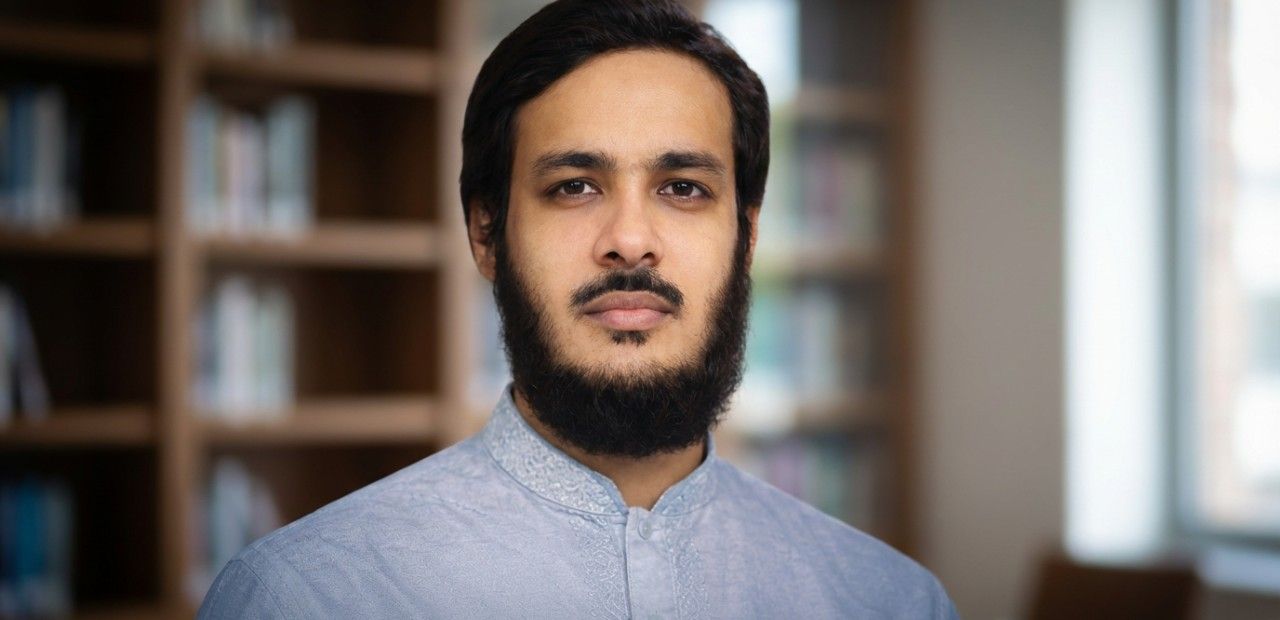
Professor Quomrul Hoque Bio Founder of Patharkandi College
Professor Quomrul Hoque Biography: Founder of Patharkandi College & Quomrul Hoque Death Mystery
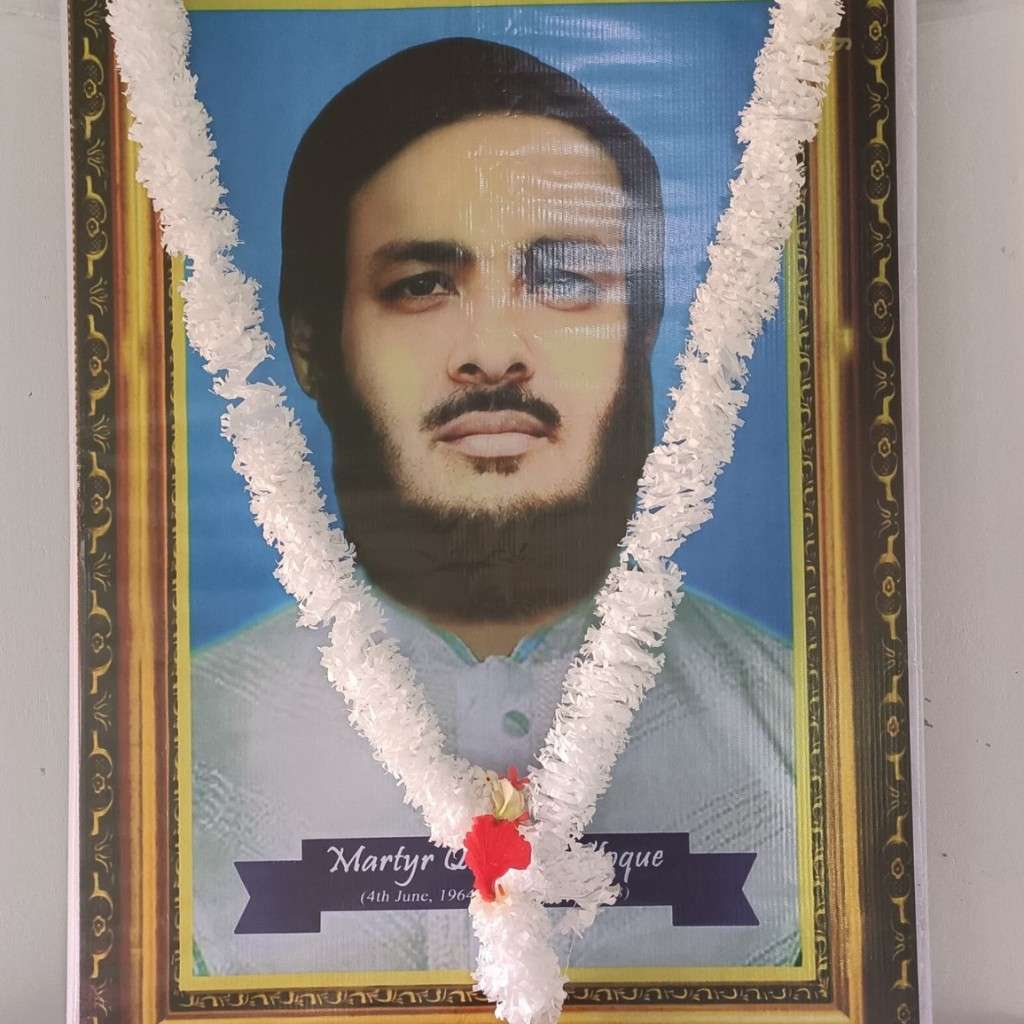
Professor Quomrul Hoque was born in 1964 in Barcharra, Purbogool, a remote village under Asaimganj in Patharkandi Police Station revenue circle, Karimganj district of Assam. He grew up in a humble family deeply rooted in the cultural traditions and composite values of the Barak Valley. His childhood was shaped by rural hardships, poverty, and the near absence of formal educational infrastructure.
From an early age, Quomrul Hoque demonstrated exceptional curiosity, discipline, and social awareness. Living in one of the most underdeveloped regions of the state exposed him to inequality and deprivation, which later became the foundation of his lifelong commitment to education as a tool for social transformation.
He completed his early education locally and later pursued higher studies at Gauhati University, where he earned a Master’s degree in History. During his academic years, he became known for his intellectual rigor, integrity, and strong moral character. He was deeply influenced by reformist thinkers and pioneers of educational upliftment, which shaped his belief that education was the most powerful instrument for empowering marginalized communities.
Rather than viewing education as a personal achievement, he saw it as a collective responsibility. This philosophy guided every decision of his life. Even before formally entering the teaching profession, he had begun to envision a future where higher education would reach the remotest corners of Barak Valley, regardless of caste, creed, or economic background.
This early vision laid the groundwork for what would later become one of southern Assam’s most significant educational movements Also Read dr. hifzur r. siddique biography
Teaching Career and the Vision for Educational Equality
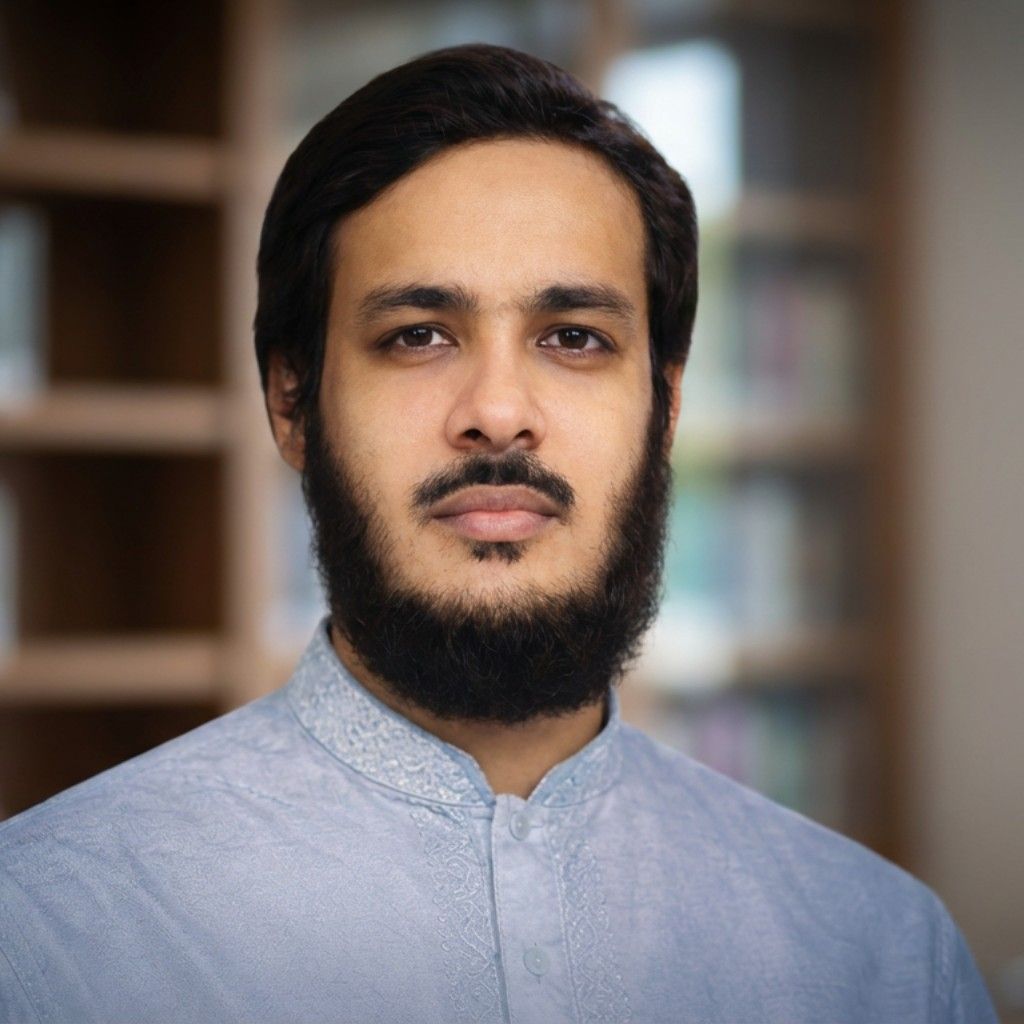
In the late 1980s, Professor Quomrul Hoque began his professional teaching career as a Lecturer in History at Nabin Chandra College, Badarpur, one of the most reputed colleges in southern Assam. His interaction with students from diverse social and economic backgrounds proved to be a transformative experience.
He observed firsthand the severe educational inequalities faced by rural youth—limited access to institutions, financial hardship, and lack of guidance. These realities deeply disturbed him and reinforced his conviction that higher education must be taken beyond urban centers.
The Patharkandi region, despite being one of the oldest revenue circles of Karimganj district, had no institution of higher education. The area had a population of nearly one million, consisting largely of SC, ST, OBC, MOBC, Tea Garden communities, General category citizens, and minority groups, with nearly two-thirds living below the poverty line.
Professor Hoque felt this absence as a moral failure of the system. As a young graduate with no personal ambition for wealth or status, he resolved to bridge this gap. His vision was not limited to establishing a college, but to creating an institution that would act as a catalyst for social mobility, dignity, and justice.
This resolve gradually evolved into a concrete mission: the establishment of Patharkandi College, an institution that would stand as a beacon of hope for thousands of underprivileged students in Barak Valley.
Founding of Patharkandi College – Struggle and Sacrifice
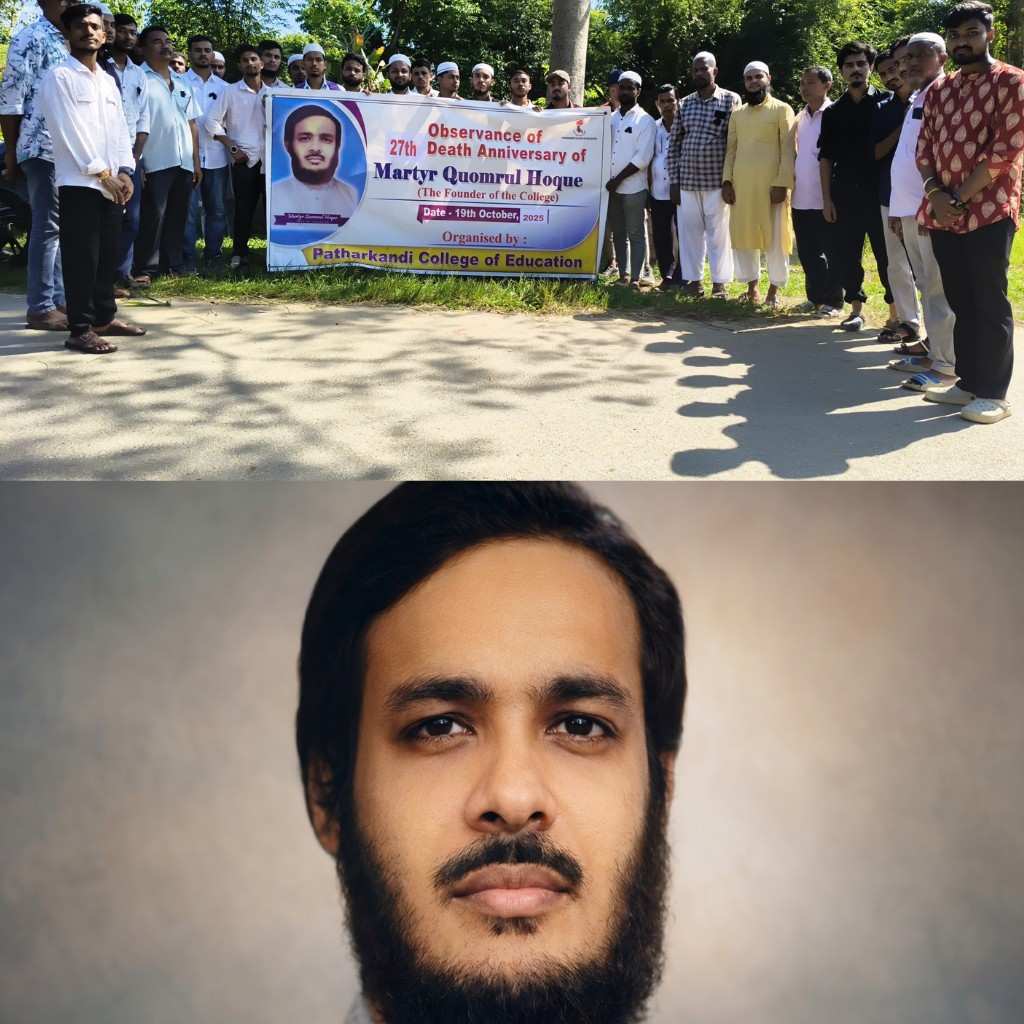
Professor Quomrul Hoque took a bold and unprecedented step to establish a college at Patharkandi. He organized public meetings across villages, mobilizing support from elders, intellectuals, and common people. Degree classes were initially started at Rabindra Bhawan, Patharkandi, with minimal resources.
To fund the dream, he and his associates collected small public contributions—ten paise, fifty paise, one rupee, and even paddy and betel nuts from villagers. These symbolic contributions not only financed the institution but also created a sense of collective ownership among the people.
He successfully secured a plot of khas land at Rajbari, Patharkandi, from the district administration. The foundation stone of Patharkandi College was laid on 28 October 1990 by Sri Suresh Chandra Panda, IAS, then Deputy Commissioner of Karimganj. This moment marked a historic milestone in the educational history of the region.
Classes were temporarily shifted to Rajbari M.E. School, while construction continued through public donations and materials taken on credit from local merchants. Professor Hoque invested his entire salary from N.C. College into building the institution and personally taught classes whenever time permitted.
Despite limited infrastructure, the reputation of Patharkandi College spread rapidly across Barak Valley, symbolizing the triumph of collective will and selfless leadership.
Quomrul Hoque Death Mystery Legacy, and Institutional Revival
While returning from Guwahati after meeting the Director of Public Instruction (DPI) regarding college affairs, Professor Quomrul Hoque died on 19 October 1998 in what was officially described as a car accident. However, the circumstances surrounding his death immediately raised serious questions.
Local residents and associates rejected the official version, alleging that he was murdered and later placed in the vehicle to stage an accident. The fact that other passengers reportedly survived without serious injury intensified public suspicion. This unresolved incident came to be known as the Quomrul Hoque Death Mystery, which continues to fuel demands for a CBI investigation even decades later.
Following his untimely death, Patharkandi College nearly collapsed. For several years, only a handful of teachers and students remained. In 2004, the institution was revived by his younger brother, Dr. Monjurul Hoque, who had completed his M.A. from Assam University, Silchar. With determination and grassroots effort, he rebuilt the college’s academic foundation.
The college received affiliation from Assam University in 1999 and was later provincialized by the Government of Assam. Today, Patharkandi College owns 17 bighas of land, a library, playground, tennis court, canteen, digital facilities, and dedicated staff.
Known affectionately as Quomrul Sir, Professor Hoque is remembered as a fearless voice against injustice, a deeply spiritual man, and a visionary educationist whose legacy continues to shape Barak Valley.
Professor Quomrul Hoque Biography
| Section | Content |
|---|---|
| Full Name | Professor Quomrul Hoque |
| Birth Year & Place | 1964, Barcharra, Purbogool, Asaimganj PS, Patharkandi, Karimganj district, Assam, India |
| Early Life | Born in a humble family rooted in Barak Valley culture. Childhood shaped by rural hardships, poverty, and lack of educational facilities. Displayed curiosity, discipline, and social awareness from an early age. |
| Education | Completed early education locally. Earned Master’s degree in History from Gauhati University. Inspired by reformist thinkers and pioneers of education. |
| Career | Started as Lecturer in History at Nabin Chandra College, Badarpur (late 1980s). Recognized inequalities in rural education, motivating him to provide access to higher education for marginalized communities. |
| Vision | Committed to making higher education accessible to all, regardless of caste, creed, or economic status. Focused on education as a tool for social transformation in Barak Valley. |
| Patharkandi College Establishment | Founded Patharkandi College on 28 October 1990. Started degree classes at Rabindra Bhawan. Mobilized public contributions (10 paise, 50 paise, 1 rupee, paddy, betel nuts) and secured land from district administration at Rajbari, Patharkandi. Foundation stone laid by Sri Suresh Ch. Panda, IAS. |
| Construction & Growth | Classes temporarily held at Rajbari M.E. School. College building constructed via public collections and credit from local merchants. Professor Hoque invested entire salary for college development and personally taught classes. College reputation grew across Barak Valley. |
| Affiliation | Patharkandi College received affiliation from Assam University in 1999. |
| Death | Died in a mysterious car accident on 19 October 1998 while returning from Guwahati after meeting DPI. Circumstances remain disputed; locals allege possible murder. |
| Legacy & Revival | College revived in 2004 by younger brother Dr. Monjurul Hoque. Achieved all-round development: rising student enrollment, infrastructure, library, playground, tennis court, canteen, digital facilities. Government of Assam provincialized the college. |
| Recognition | Affectionately known as Quomrul Sir. Remembered as a fearless, disciplined educationist and social reformer dedicated to Barak Valley education. Inspired generations to pursue education and social justice. |
| Death Mystery | Officially a car accident, but locals contest the narrative. Other passengers reportedly survived unharmed. Continues to fuel public demand for a CBI investigation (Quomrul Hoque Death Mystery). |
| Focus Keywords | Professor Quomrul Hoque Biography, Founder of Patharkandi College, Quomrul Hoque Death Mystery, Patharkandi College, Quomrul Sir legacy |
| Meta Description | Professor Quomrul Hoque Biography explores the life, vision, legacy, and death mystery of the founder of Patharkandi College and a pioneer of education in Barak Valley. |
| Disclaimer | This biography has been prepared using public resources and publicly available information. It is intended solely for educational purposes. |
Prof. Quomrul Hoque – Official Resources
Patharkandi College – About College
College history, founder Prof. Quomrul Hoque, mission, and campus details.
Visit Official WebsitePatharkandi College – Home Page
Welcome message, founder dedication, student life, and admission updates.
Visit Official WebsiteProf Quomrul Hoque School of Education – USTM
Named in honor of Prof. Quomrul Hoque; teacher training & B.Ed programs for North East region.
Visit Official WebsiteFounders Profile – CPS Patharkandi
Profiles of founders & associated educational institutions in Patharkandi.
Visit Official Website