
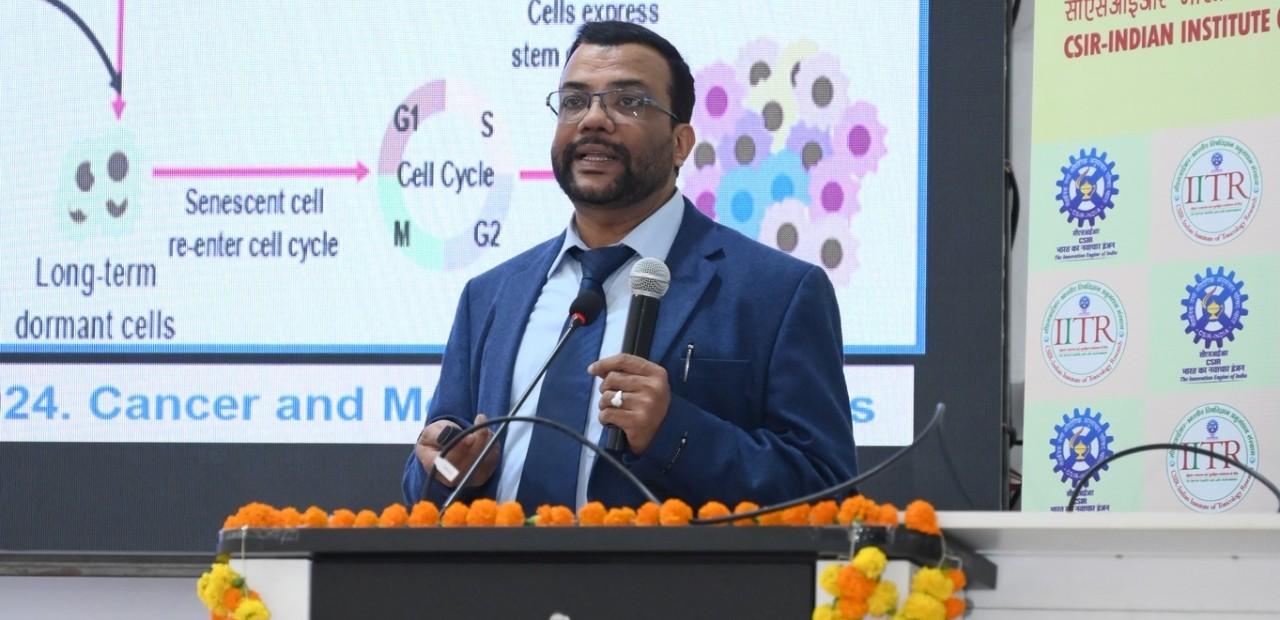
Dr Hifzur R Siddique Life Story Education & Research & More

Dr Hifzur R Siddique Biography Early Life to Research
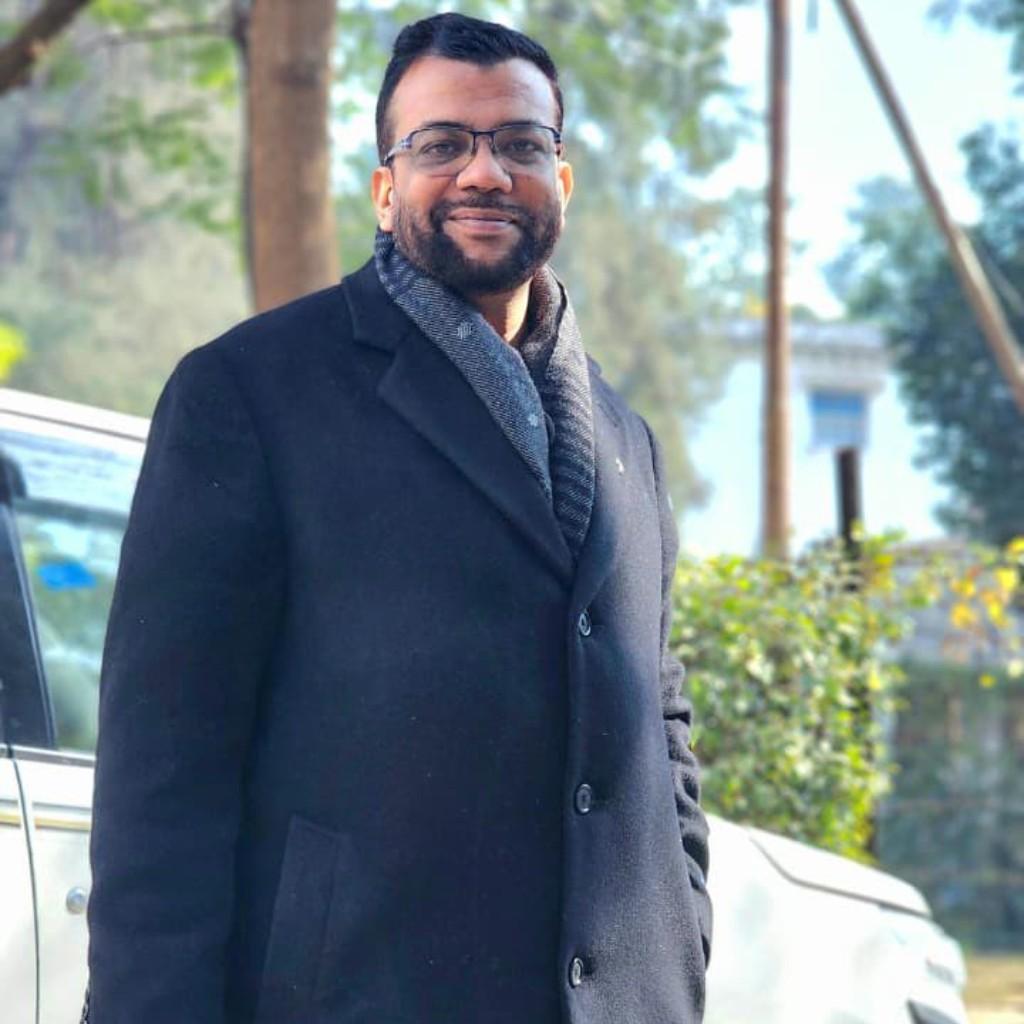
Dr Hifzur R Siddique Bio Ph.D., FBRS, MNASc, MRSB, MAMS, is a distinguished Indian scientist, educator, and researcher in the field of Molecular Cancer Genetics and Translational Research. He currently serves as a Senior Assistant Professor (Stage III) and Programme Director at Aligarh Muslim University (AMU), where he leads pioneering projects aimed at transforming cancer research into practical therapies and diagnostics
With more than 22 years of research experience and over 15 years of teaching, Dr Siddique has made remarkable contributions to cancer biology, genetics, and molecular medicine. His groundbreaking research has led to five patents, over 112 peer-reviewed publications in leading international journals including Nature Communications, Hepatology, and Clinical Cancer Research, and recognition from prestigious organizations such as UNESCO and DST-SERB
Known for his dedication to mentoring future scientists, Dr. Siddique has supervised multiple Ph.D. scholars, MD/MS theses, and M.Sc. dissertations, while also serving on editorial boards of 17 international journals. His work, particularly in developing innovative diagnostic tools and therapeutic approaches for liver and prostate cancer, has positioned him as a global authority in cancer research
Beyond the laboratory, Dr. Siddique’s contributions extend to shaping national resources for higher education, authoring academic and social science articles, and participating as a speaker in more than 100 international conferences and seminars. His inspiring journey from a small village in Karimganj, Assam, to becoming a globally recognized scientist exemplifies resilience, dedication, and excellence in advancing biomedical sciences.
Also Read Articles Advocate A S Tapadar – Gauhati High Court Lawyer
Dr Hifzur R. Siddique Educational Background & Academic Qualifications Detailed Profile
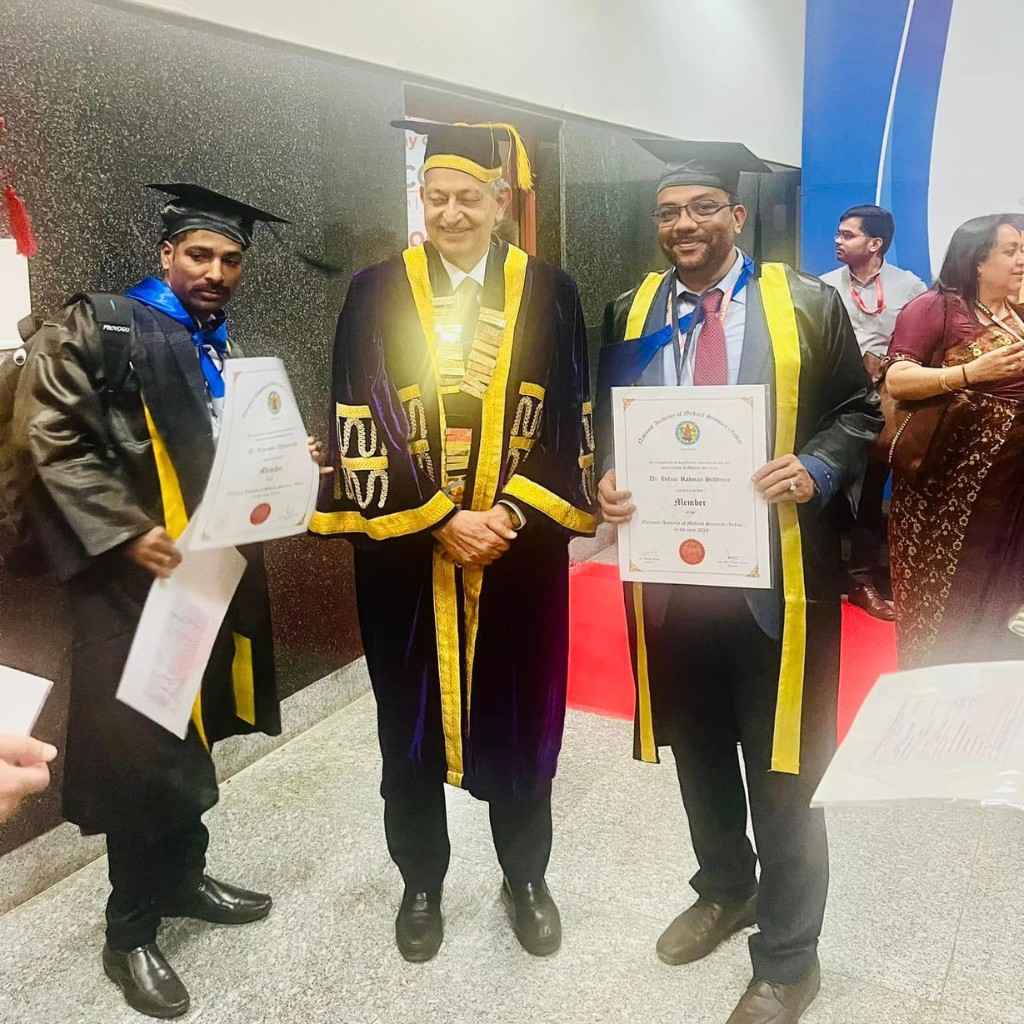
| Educational Background of Dr. Hifzur R. Siddique | |
|---|---|
| Primary School 34, Basla Boys Primary School, PO- Morjatkandi, Dist-Karimganj, Assam | |
| Middle/ME School Morjatkandi Public ME School, PO- Morjatkandi, Dist-Karimganj, Assam | |
| High School (1993) Morjatkandi Public High School, PO- Morjatkandi, Dist. Karimganj, Assam | |
| Higher Secondary (1995) Karimganj College, Karimganj, Assam | |
| Bachelor of Science (B.Sc. Zoology Hons, 1998) Karimganj College, Assam University, Assam | |
| Master of Science (M.Sc. Zoology, Genetics Specialization, 2000) Aligarh Muslim University | |
| Doctor of Philosophy (Ph.D., 2008) CSIR-Indian Institute of Toxicology Research, Lucknow, India | |
Professional Career of Dr. Hifzur R Siddique
Dr. Hifzur R Siddique holds the esteemed position of Project Director at the Molecular Cancer Genetics and Translation Research Laboratory while serving as a distinguished Senior Assistant Professor at the prestigious Aligarh Muslim University (AMU). In these roles, he orchestrates cutting-edge research initiatives that delve into the intricacies of molecular cancer genetics, strongly focusing on translating his scientific findings into tangible advancements in cancer treatment. This multifaceted role encompasses the management of innovative projects and the nurturing of future scientific talents, all in pursuit of unraveling the secrets of cancer at the molecular level, thereby paving the way for novel therapeutic strategies.
| Year | Position | Institution / Organization | Location |
|---|---|---|---|
| 2018-2023 | Assistant Professor (Stage II) | Aligarh Muslim University | Aligarh, India |
| 2017-2018 | Assistant Professor (Stage-I) | Aligarh Muslim University | Aligarh, India |
| 2016-2017 | Chief Scientific Officer & Researcher | Technogenesys, Inc., & Moffitt Cancer Centre (An NIH Comprehensive Cancer Center) | USA |
| 2013-2016 | Research Associate | University of S. California | Los Angeles, USA |
| 2010-2013 | Research Associate | University of Minnesota | Twin Cities, USA |
| 2009-2010 | Research Associate | University of Wisconsin | Madison, USA |
| 2008-2009 | Post-Doctoral Researcher | Louisiana State University | USA |
Dr Hifzur R Siddique Professional Career, Research Positions & Notable Achievements
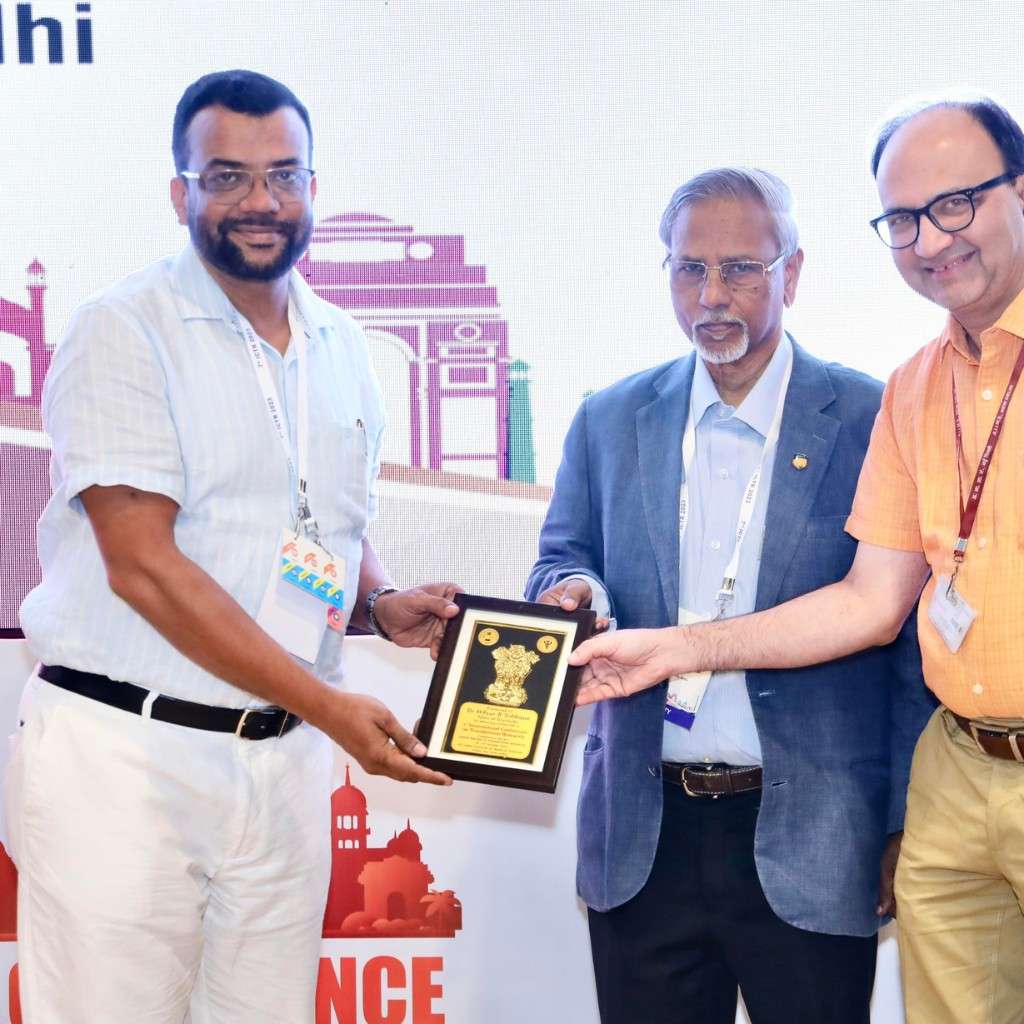
Teaching, Research, and Professional Highlights
Dr. Hifzur R Siddique has over 15 years of teaching experience and more than 22 years of research experience, including his Ph.D. journey. Throughout his distinguished career, he has received 42 awards, fellowships, and honors, showcasing his dedication to advancing science and education.
| Fellowships & Posts | Post-Doctoral Fellow (2), Project Fellow (DST-SERB, 1) |
| Articles | Numerous popular articles in social and scientific domains |
| Editorial Roles | Editorial Board Member/Guest Editor for 17 journals |
| Mentorship | Guided Ph.D. scholars (7), MD/MS thesis students (7), M.Sc. dissertation students (9) |
| Books | 6 books authored, edited, or reviewed |
| Professional Events | Chair or Resource Person in 14 professional events |
| Memberships & Workshops | 17 professional memberships, 39 trainings/workshops |
| Media & Patents | 20 TV/podcast appearances, 5 patents awarded or filed |
| Invited Talks | Over 100 talks and abstracts at national/international conferences |
| Expertise | Molecular cancer genetics, translational research, scientific mentorship |
Research Work and Contributions of Dr. Hifzur R Siddique
Dr. Hifzur R Siddique has an exceptional research portfolio with over 112 publications in renowned journals including The Innovation, Hepatology, Nature Communications, Cell Death Discovery, Seminars in Cancer Biology, Coordination Chemistry Reviews, Clinical Cancer Research, Cancer Research, International Journal of Cancer, Stem Cells, Chemosphere, ACS Applied Nanomaterials, Life Sciences, Cancer and Metastasis Reviews, etc. He has also published 25 chapters, edited 3 books, and reviewed 2 books, including the prestigious Gene Cloning and DNA Analysis: An Introduction (Author: T. A. Brown, 8th Edition). He authored one academic book and one fiction work, and serves as an editorial board member for 17 esteemed journals. His research has been supported by prestigious grants from UGC-AMU-ICT, UGC, ICMR, DST-SERB, and international agencies like the Saudi Higher Education Department.
| Major Breakthroughs |
Designed a modified alkaline comet assay for DNA breakage measurement, pivotal for genotoxicity assessment in Third World countries. Pioneered polyherbal formulation 'Majoon Suranjan' against cancer cells, alone and combined with Sorafenib; recently received Indian Patent. Discovered pathways influencing asymmetric division of liver cancer stem cells with therapeutic implications. Identified novel biomarkers in prostate cancer with higher sensitivity than existing diagnostics. Validated Drosophila melanogaster as an in vivo model for genotoxicity assessment, highlighted in Nature Protocol (2023, PMID: 36707722). Studied Lupeol for KRAS-driven cancer prevention and therapy, contributed to UNESCO-EOLSS. |
| National & International Recognition |
Selected as one of five biosciences members to prepare national resources for higher education at NEIPA, New Delhi, 2018. Featured in Volume 15, Issue 4 of Recent Patents on Anti-Cancer Drug Discovery. Member of 175 experts worldwide for “International guidelines on the diagnosis and treatment of NUT carcinoma,” published in The Innovation (2025) 7:101068. Invited to deliver talks at numerous conferences and digital platforms. |
Dr Hifzur R Siddique Research Work, Contributions & Main Scientific Areas
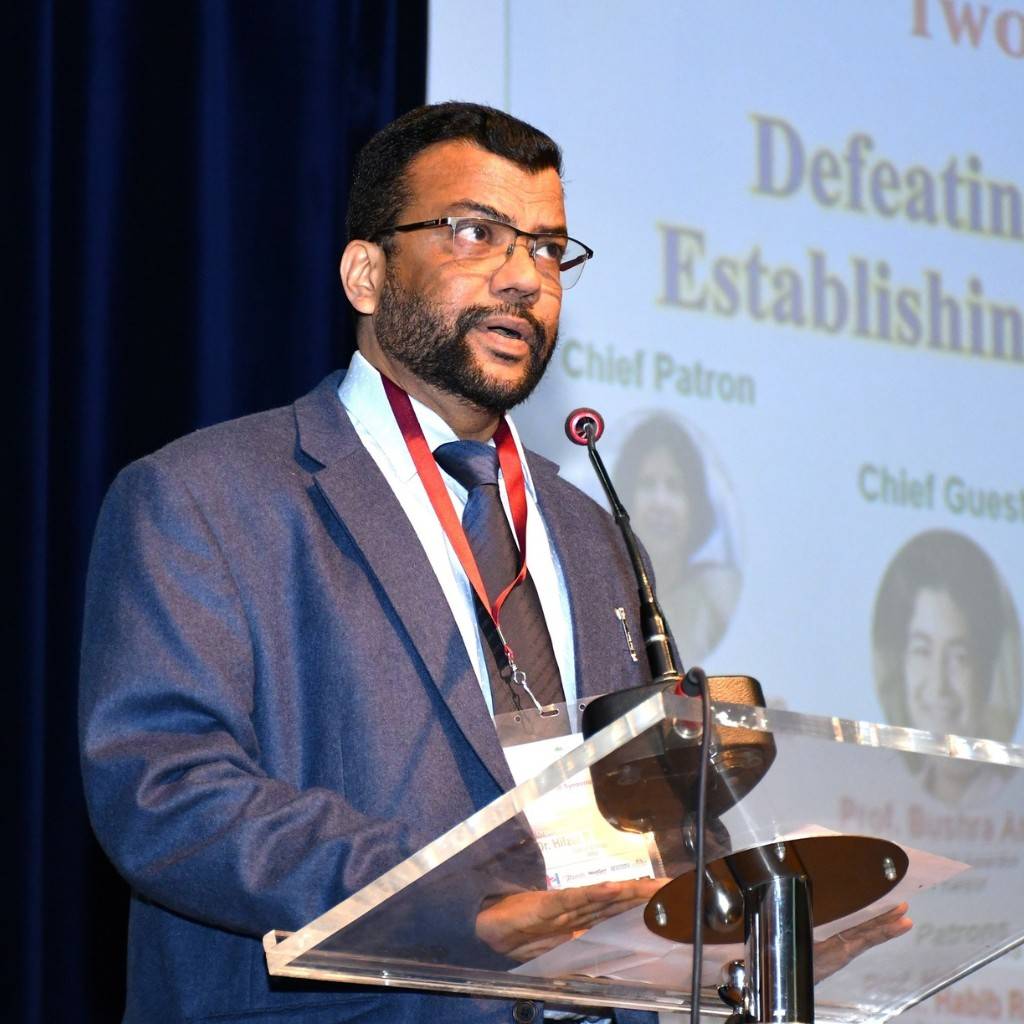
At the core of Dr. Siddique‘s research lies the study of identification molecules responsible for cancer therapy resistance and its potential therapy through the exploration of small molecule inhibitors and bioactive molecules from medicinal or edible plants, and the identification of Cancer Biomarkers for detecting cancers at early stages.
Understanding and addressing chemoresistance, which limits the effectiveness of chemotherapy in cancer treatment, has been central to his endeavours.
Driven by the challenge of managing advanced cancer and overcoming resistance, he has dedicated his research to delving into the mechanisms of chemoresistance and uncovering novel therapeutic molecules. Throughout his research journey, Dr. Siddique has focused on unraveling the contributions of various cells, genes, and proteins to cancer initiation, progression, and chemoresistance. By investigating cancer stem cells, transcription factors, stem cell factors, and non-coding RNA, his laboratory employs diverse in vitro and animal models alongside human clinical samples to gain comprehensive insights.
Further, Dr. Hifzur’s work entails understanding the complex ecosystem teeming with countless tiny organisms, primarily bacteria inside our body, which can act as allies or adversaries in our efforts to combat cancer. The findings from Dr. Siddique’s research aid in devising rational treatment strategies, enhancing therapeutic efficacy, facilitating biomarker discovery, and developing companion diagnostics. His dedication to advancing cancer research and improving treatment outcomes demonstrates his commitment to making a lasting impact on oncology.
Most of the biomarkers used for cancer identification were discovered in the Western world. As Indian populations differ from the Western population, biomarkers specific to the Indian population are more helpful for cancer management in India. His lab recently reported one biomarker identified among Gall Bladder Cancer Indian Patients
Also Read Articles Adv Momotaz Begom – Lawyer & Social Worker
Discovered how MSI2 promotes translation of multiple IRES-containing oncogenes (MYC, JUN, VEGFA) and Hepatitis C Virus RNA to induce proliferation of cancer cells and Cancer Stem Cells for tumor initiation and therapy-resistant phenotype at the post-transcriptional level. (Cell Death Discovery 2023; 9:141)
Demonstrated, through in silico, in vitro, and animal models, that Apigenin sensitizes liver cancer cells to Sorafenib, enhancing its therapeutic effect and reducing Sorafenib-induced toxicity. (Toxicology & Applied Pharmacology. 2022; 447: 116072; Translational Oncology. 2024; 43: 101920)
Contributed a chapter on a molecule to UNESCO Encyclopedia of Life Support Systems (EOLSS) as per Agenda 21, sharing a decade of research knowledge. (UNESCO-EOLSS, 2022)
Reported for the first time that Polyherbal Unani formulation Majoon Suranjan is effective against cancer cells alone and with Sorafenib. (Indian Patent Number: 404151)
Discovered the pathway influencing asymmetric division of liver Cancer Stem Cells and identified target molecules. (Nature Communications. 2020; 11: 3084)
Conducted metabolic profiling showing restoration of cardioprotective metabolites by biosynthesized Selenium nanoparticles conjugated with Doxorubicin. (Life Sciences 2022; 305: 120792)
Synthesized nontoxic Sulfur Quantum Dots for cell imaging, improving cancer diagnosis accuracy. (ACS Applied Nano Materials 2021; 4,4: 3339-3344)
Reported the effect of sub-cellular toxic insults of carcinogens/mutagens on organismal parameters. (Chemico-Biological Interactions 2007; 169: 171-188; Ecotoxicology & Environmental Safety 2019; 172: 216-224)
Discovered how post-translational modifications of cell fate molecules affect self-renewal of cancer stem cells, driving cancer recurrence and therapy resistance. (Hepatology 2015; 62: 1466-79)
Identified prostate cancer biomarkers with higher sensitivity than existing ones. (Molecular Cancer Therapeutics 2020; 19: 2598-2611; PloS One 2013; 8: e52993)
Discovered BMI1, a master switch for growth and death of chemoresistant prostate cancer cells, and elucidated its mechanism. (Cancer Research 2012; 72(8S): 3497; Stem Cells 2012; 30: 372-78; PloS One 2013; 8: e60664; Clinical Cancer Research 2018; 24: 6421-6432)
Featured in “2014 Research Highlights” by the USA Department of Defense for prostate cancer research.
Received Young Scientist Travel Award, Society of Basic Urology Research, USA.
Other Significant Findings
Identified a novel terpenoid class to prevent and treat KRAS-driven cancers. (Molecular Carcinogenesis 2020; 59(8): 886-896)
Reported metastatic protein S100A4 role in cancer growth. (Genes & Cancer 2013; 4: 224-234)
Highlighted the importance of functional foods in cancer prevention. (International J of Cancer 2012; 131: 1720-31)
Discovered nontoxic molecules selectively targeting androgen-dependent and independent prostate cancer while sparing normal cells. (Clinical Cancer Research 2011; 17: 5379-91)
Environmental and Model System Research
Studied environmental chemical mixtures’ effects on organism development and reproduction, highlighting severe male susceptibility. (Chemico-Biological Interactions 2007; 69:171-188; Ecotoxicology & Environmental Safety 2009; 72: 1652-1662; Ecotoxicology & Environ Safety 2019; 172:216-224; Chemosphere 2020; 254: 126875)
Validated Drosophila melanogaster as an in vivo model for genotoxicity assessment using a modified alkaline Comet assay for the first time globally. (Drosophila Information Service 86: 149-151; Mutagenesis 2005; 20: 285-290)
This validation is considered an outstanding contribution for third-world countries and is widely adopted internationally.
Highlighted in Nature Protocol (2023, PMID: 36707722) for protocol adoption worldwide.
Reported that fly and higher mammals share similar dose-response relationships with four alkylating agents. (Mutagenesis 2005; 20: 285-290)
Dr Hifzur R Siddique has received numerous recognitions throughout his illustrious career, reflecting his exceptional contributions to cancer research, education, and scientific mentorship.
In 2025, he received the prestigious “Editor of Distinction Award” by Springer Nature for his exceptional editorial contributions to Springer Journals. The same year, he was elected as one of the Joint Secretaries of the Society of Pharmaceutical Education & Research (SPER), India. He also contributed as one of 175 global experts in drafting the world’s first “International guidelines on the diagnosis and treatment of NUT carcinoma”, published in the journal The Innovation 7: 101068.
In 2024, Dr. Siddique was recognized as an ‘Outstanding Reviewer’ by Bentham Science Publishers and was elected as a Board member of the Indian Council of the International Association of Advanced Materials (IAAM), Sweden. The Journal of Biosciences Biotechnology Research Asia honored him as an ‘Outstanding Editor’, and he received the Shahidul Alom Choudhury Memorial Award for his outstanding contribution to education and research by the Minority Welfare Society of North East India, Guwahati.
In 2023, he was elected as a member of the Board of Governors (2023-2025) for the Biotech Research Society of India (BRSI). The Research Seer magazine highlighted his lab work and publications in the article “Technological Perspectives for Fighting Cancer Using Phytochemicals” (Vol 2, Issue 8, page 5). The AMU Alumni Association of Barak Valley chapter felicitated him for his contribution to education, and he was nominated as a Full Member of Sigma Xi, the international scientific research honor society with over 200 Nobel Prize winners.
In 2022, his research work was featured in “Muslim Premier Institutions of Higher Learning Excelling in Scientific Research” by Radiance Views Weekly. He was elected as a Fellow of the Biotech Research Society of India (BRSI) and felicitated by the AMU Alumni Association of Barak Valley Chapter for his contributions to Cancer Research. He also received the Sir Syed Innovation Award for Outstanding Researcher of the Year and the APJ Abdul Kalam Memorial Award from the Dr. Zakir Hussain Foundation for his contributions to cancer research.
In 2021, Dr. Siddique was invited as a contributing author on Triterpene Lupeol by UNESCO for the UNESCO-Encyclopedia of Life Support Systems (EOLSS). He also received the Distinguished Scientist Award-2021 from the Agro-Environmental Developmental Society for contributions to genetics and was nominated as a Research Grant Reviewer for the Council of Scientific & Industrial Research (CSIR), India, and as Scientific Grant Reviewer for the Czech Science Foundation.
In 2019, he received the SPER Innovative Researcher Award in Bangkok, Thailand, the RULA Research Ratna Awards for leading research in cancer studies, and the SN Nahar Distinguished Teacher of the Year Award for outstanding research, training, and mentoring students at Aligarh Muslim University. He was also selected as one of five biosciences experts to prepare national resources for higher education at NIEPA, New Delhi. In 2017, he was awarded the Farha Deeba Outstanding Cancer Research Award by the Indian Academy of Biomedical Sciences, India.
In 2014, his work was featured as one of the three “Featured Prostate Cancer Research” projects by the USA Department of Defense in the “2014 Research Highlights.”
Early in his career, he earned the Senior Research Fellowship (SRF) from CSIR in 2005, GATE qualification in 2002, and Junior Research Fellowship (JRF-NET) in 2001. During his post-graduate studies at Aligarh Muslim University, he received merit scholarships for academic excellence in 1998-2000.
From 1994-1995, he was awarded the Science Talent Search Scholarship (State Level) in Assam, received a Merit Scholarship by an NGO for academic excellence, and was honored by the Minister of Health & Family Welfare, Govt. of Assam, under the NGO “INSANIYAT” for his student welfare initiatives, particularly for underprivileged students in rural Assam
International Awards and Honors of Dr. Hifzur R. Siddique

Dr Hifzur R Siddique has earned global recognition for his outstanding contributions to cancer research, molecular genetics, and translational research
In 2022, he received the Advanced Materials Scientist Award from the International Association of Advanced Materials, Ulrika, Sweden, recognizing his pioneering work in material sciences with potential biomedical applications.
In 2011, one of his publications was highlighted by major US and Indian print and electronic media, including The New York Times, Wall Street Journal, and The Street, underscoring the global impact of his research contributions.
In 2010, Dr. Siddique was invited by the American Association of Cancer Research (AACR) to present his research as an Oral Presentation at the 102nd Annual Meeting held in Orlando, FL, USA, from April 2-6. In the same year, he received the Young Scientist Travel Award from the Society of Basic Urology Research (SBUR; USA), highlighting his early career achievements in oncology research.
Published Biographies
In 2024, a brief biography of Dr. Siddique, highlighting his key achievements, was featured in Volume 43, Issues 1-2 of the prestigious journal “Cancer and Metastasis Reviews” with an Impact Factor of 8.7, showcasing his remarkable contributions to the field.
In 2023, his biography was featured with key achievements in AWAZ THE VOICE as part of their coverage “Stories on Indian Muslim Scientists”, published in multiple languages including English, Hindi, Urdu, Marathi, and Assamese, on November 10, 2023.
In 2020, a brief biography detailing his accomplishments was published in Volume 15, Issue 4 of the Journal Recent Patents on Anti-Cancer Drug Discovery with an Impact Factor of 4.2, further documenting his global influence and scientific contributions.
Dr Hifzur R Siddique has an extensive record of scientific publications, editorial contributions, and expert consensus guidelines. His cumulative research output includes 137 publications with a cumulative Impact Factor of 700, showcasing his impactful contributions to cancer research, molecular genetics, and translational research.
Journal Contributions:
Journal Articles: 104
Editorials: 03
Technical Articles: 03
Book Chapters: 25
International Guidelines / Expert Consensus: 02
Google Scholar Citations: 4070
Guidelines and Expert Consensus:
Zhang Y, …, Siddique HR, et al., 2025: International guidelines on the diagnosis and treatment of NUT carcinoma. The Innovation. 7: 101068. 5-year Impact Factor: 40.2
Ye Z, …, Siddique HR, et al., 2024: Expert Consensus and Current Landscape of Nuclear Proteins of Testicular Carcinoma: A Comprehensive Strategy from Diagnosis to Treatment. Tumor Discovery 3(4): 4904
Selected Ten Major Publications:
2024: Apigenin enhances sorafenib anti-tumour efficacy in hepatocellular carcinoma. Translational Oncology. 43: 101920. Impact Factor: 4.1
2023: MSI2 promotes translation of multiple IRES-containing oncogenes and viruses to induce self-renewal of tumor-initiating stem-like cells. Cell Death and Discovery. 9: 141. Impact Factor: 7.0
2022: Epigenetic Modifications of MYC: Role in Cancer Cell Reprogramming, Progression, and Chemoresistance. Seminars in Cancer Biology. 83: 166-176. Impact Factor: 15.7
2020: P53 destabilizing protein skews asymmetric division and enhances NOTCH activation to direct self-renewal of TICs. Nature Communications. 11: 3084. Impact Factor: 15.7
2019: Recent Advances in Metalodrug-like Molecules Targeting Non-coding RNAs (ncRNAs) in Cancer Chemotherapy. Coordination Chemistry Reviews. 387: 47-59. Impact Factor: 23.5
2020: Biopsy-S100A4 and serum-S100A4 alterations predict poor outcome in prostate cancer: Clinical significance of anti-S100A4 antibody therapy. Molecular Cancer Therapeutics. 19: 2598-2611. Impact Factor: 5.5
2018: BMI1 drives metastasis of prostate cancer in Caucasian and African-American men and is a potential therapeutic target: hypothesis tested in race-specific models. Clinical Cancer Research. 24: 6421-6432. Impact Factor: 10.2
2015: NUMB phosphorylation destabilizes p53 and promotes self-renewal of tumor-initiating cells by a Nanog-dependent mechanism in liver cancer. Hepatology. 62: 1466-1479. Impact Factor: 15.8
2011: Lupeol, a novel Androgen Receptor inhibitor: implications in prostate cancer therapy. Clinical Cancer Research. 17: 5379-91. Impact Factor: 10.6
2005: Validation of Drosophila melanogaster as an in vivo model for genotoxicity assessment using modified alkaline Comet assay. Mutagenesis. 20: 285-290. Impact Factor: 4.3
For a complete list of publications, please visit Dr. Siddique’s Google Scholar profile: Google Scholar
Siddique HR, Fatma H, Shabbir M., 2025: Principles of Zoology: Fundamentals and Practices, Cambridge Publications (In Press).
Siddique HR, Fatma H., 2024: Beneficial Health Effects of Lupeol Triterpene and Its Medicinal Properties. In: Medicinal and Aromatic Plants of The World, [Eds. UNESCO-EOLSS Joint Committee, in Encyclopedia of Life Support Systems (EOLSS)], Developed under the Auspices of UNESCO, EOLSS Publishers, Paris, France. http://www.eolss.net
Books Edited by Dr. Siddique
Siddique HR., 2025: Lupeol: Therapeutic Applications in Human Health and Disease, CRC Press, Taylor & Francis Group. ISBN: 978-1-032-98695-1
Siddique HR, Imam S., 2023: Genes, Diseases, Immunity, and Immunogenomics, Frontiers Media SA, London, UK. ISBN: 978-2-832-52765-8
Siddique HR, Sarwat M., 2022: Herbal Medicines: A Boon for Healthy Human Life, Elsevier Sciences, PA, USA. ISBN: 978-0-323-90699-9
Fiction/Story Authored
Siddique HR., 2023: Kaler Mukhe Muslim Uddiner Jiboni. Publisher: Minority Welfare Society, Guwahati-781006, Assam, India
Grant Reviewer of National and International Agencies
Dr. Siddique has served as a grant reviewer for prestigious national and international funding agencies, including:
Czech Science Foundation, Czech Republic
Health Research Charities & Health Research Board, Ireland
CSIR-Govt. of India, India
DST-SERB, Govt. of India, India
Department of Biotechnology, Govt. of India, India
Editorial Board Memberships of Scientific Journals
Dr. Siddique is an editorial board member of multiple high-impact journals in the fields of oncology, genetics, medicine, and translational research, including:
Frontiers in Oncology, Genetics, Medicine
Recent Patents on Anti-Cancer Drug Discovery (Bentham Science); ISSN: 1574-8928 (2018–present)
Oncology and Translational Medicine ISSN: 2095-9621 (2022–present)
Cancer Therapy & Oncology International Journal (CTOIJ), USA ISSN: 2473-554X (2017–present)
Journal of Genomics and Advanced Research, Gexin Publications (2022–present)
Biosciences, Biotechnology Research Asia, ISSN: 0973-1245 (2017–present)
MOJ Cell Science & Report, USA, ISSN: 2374-6920 (2015–present)
Tumor Discovery, ISSN: 2810-9775 (2023–present)
Journal of Umm Al-Qura University for Applied Sciences, ISSN: 1658-8185 (2023–present)
Journal of Modern Medical Oncology, ISSN: 2708-0005 (2022–2024)
Frontiers Medicine, ISSN: 2296-858X (2022–2024)
Frontiers in Oncology, ISSN: 2234-943X (2022–2024)
International Journal of Zoology and Animal Biology (IZAB), USA, ISSN: 2639-216X (2018–2024)
Frontier Genetics, ISSN: 1664-8021 (2021–2023; 2023–2025)
Cancer & Metastasis Reviews, ISSN: 0167-7659 (2022–2024)
Life, eISSN: 2075-1729 (2023–2025)
Cancers, ISSN: 2072-6694 (2024–2026)
Board of Governors – Biotech Research Society, India
Dr Hifzur R Siddique serves on the Board of Governors of the Biotech Research Society, India, playing a pivotal role in guiding national-level biotechnology initiatives, research policies, and strategic planning that contribute to the advancement of the biotech ecosystem in India.
👉 Visit Now – Biotech Research Society, India
Joint Secretary (2024–2026) – SPER, India
He was elected as one of the Joint Secretaries (2024–2026) of The Society of Pharmaceutical Education & Research (SPER), India, where he actively contributes to strengthening pharmaceutical education, research collaborations, and professional development across the country.
👉 Visit Now – SPER India
Core Member (2023–Present) – Cancer Nanomedicine Consortium, AMU
Dr Siddique is a core member (2023–present) of the Cancer Nanomedicine Consortium at Aligarh Muslim University (AMU), where he leads initiatives in advanced cancer nanotechnology research and fosters collaboration among multidisciplinary scientific teams.
👉 Visit Now – AMU Cancer Nanomedicine Consortium
Committee Member – International Oncology Conference (Pencis)
He contributes as a committee member at Pencis: International Conference on Oncology and Cancer Research, supporting global scientific networking, conference organization, and policy-making in the field of oncology research.
👉 Visit Now – Pencis Oncology Conference
Core Member – Institutional Innovation & Incubation, AMU
Dr Siddique is an active core member of the Institutional Innovation Council and University Incubation Centre at AMU, Aligarh, where he plays a key role in promoting innovation, entrepreneurship, and incubation of emerging scientific projects within the university ecosystem.
He is involved in numerous NGOs and schools, especially those connected to his birthplace, contributing to education and community development. His dedication to students, institutions, and society reflects his commitment to social responsibility alongside academic excellence.
Notable Contributions Towards Students and Institutions
His first laboratory student qualified for the IAS in 2022 and is now appointed in Goa, marking a remarkable achievement and inspiration for future scholars. A number of his students are now in the USA and Europe pursuing their research and higher studies, showcasing his role as a mentor with a global academic impact.
Future Goals and Plans
In the unfolding chapters of the future, Dr Hifzur R Siddique envisions a continued odyssey in scientific inquiry, with an unwavering focus on the pivotal role of phytochemicals in cancer therapy. His illustrious journey thus far has seen him delve deeply into this multifaceted terrain, amassing a wealth of knowledge and contributing substantially to our understanding of how phytochemicals can be harnessed against cancers like liver and prostate cancer.
In the grand tapestry of oncological exploration, his ongoing quest promises to illuminate new pathways and usher in innovative paradigms for advancing global cancer research and therapeutic development.
Dr Hifzur R Siddique Family Details: Parents, In-Laws and Full Family Structure

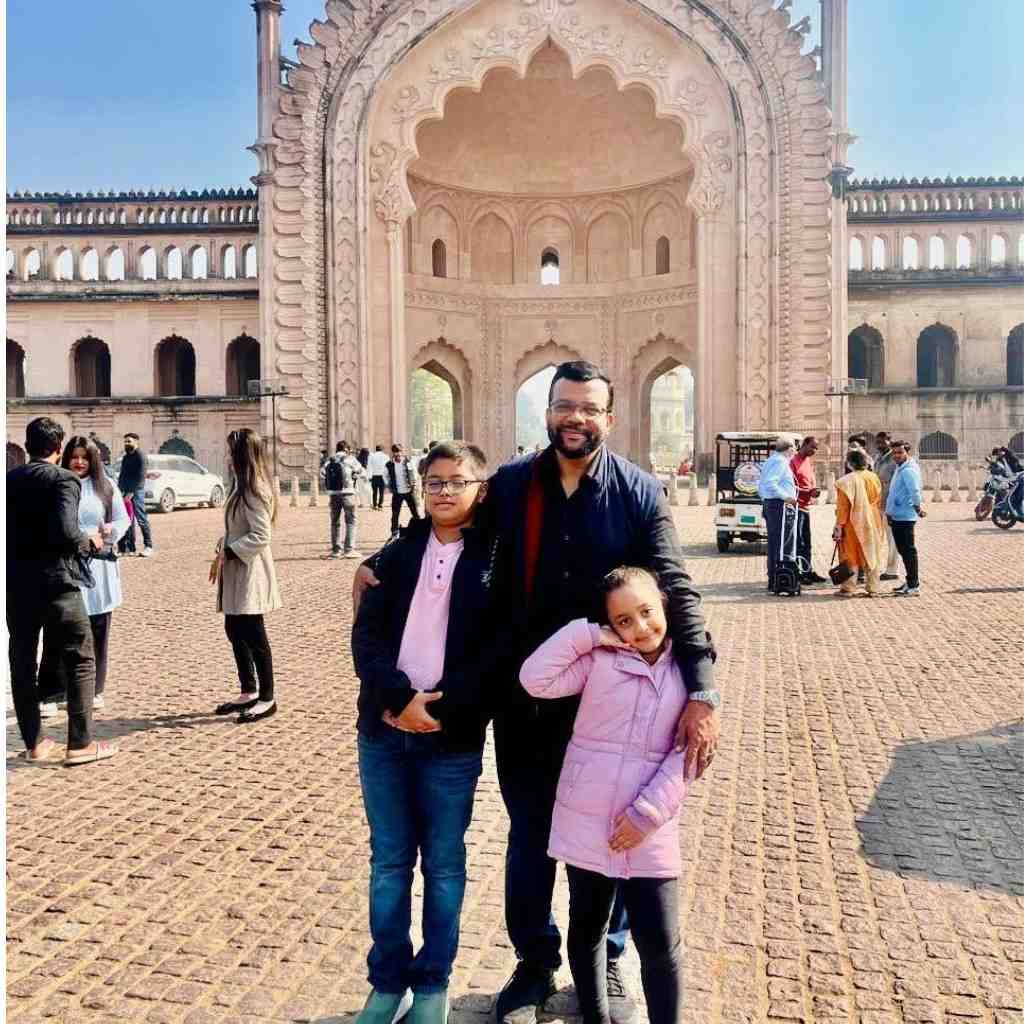
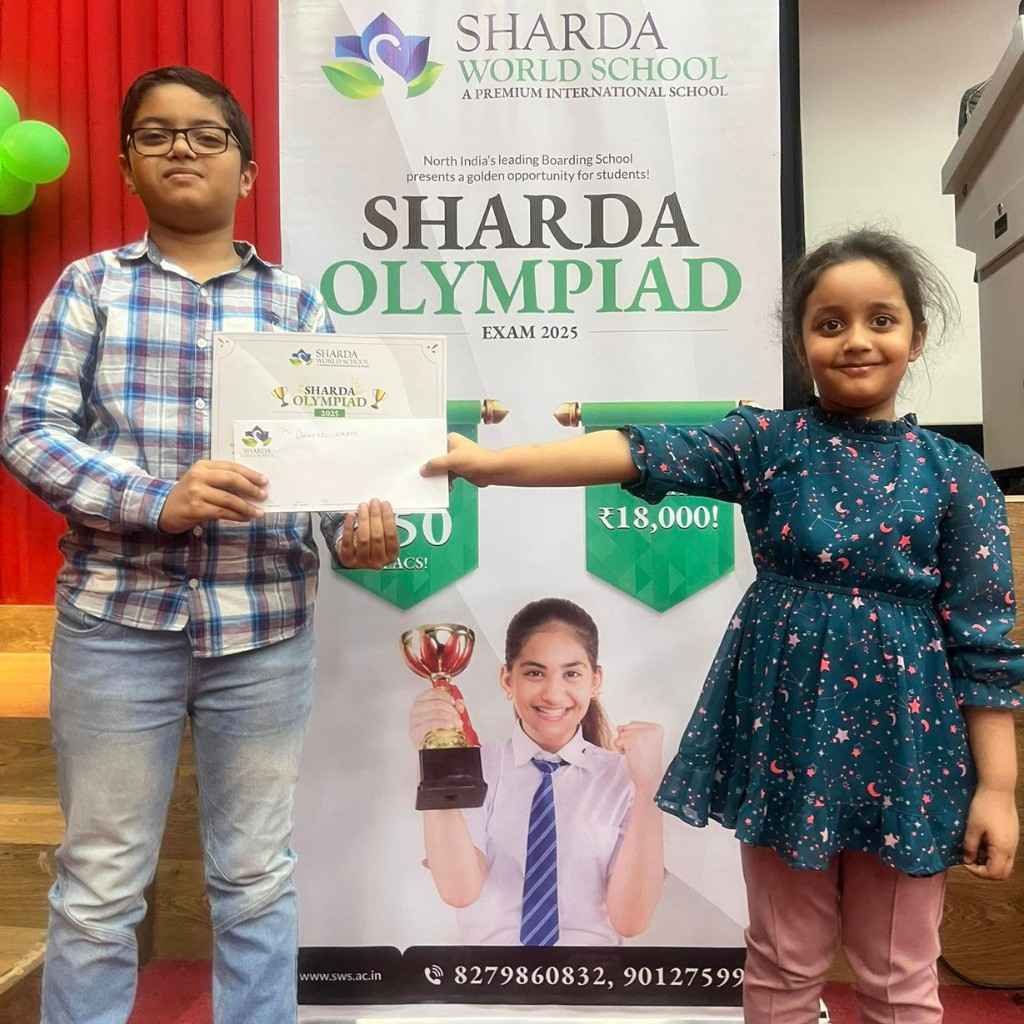

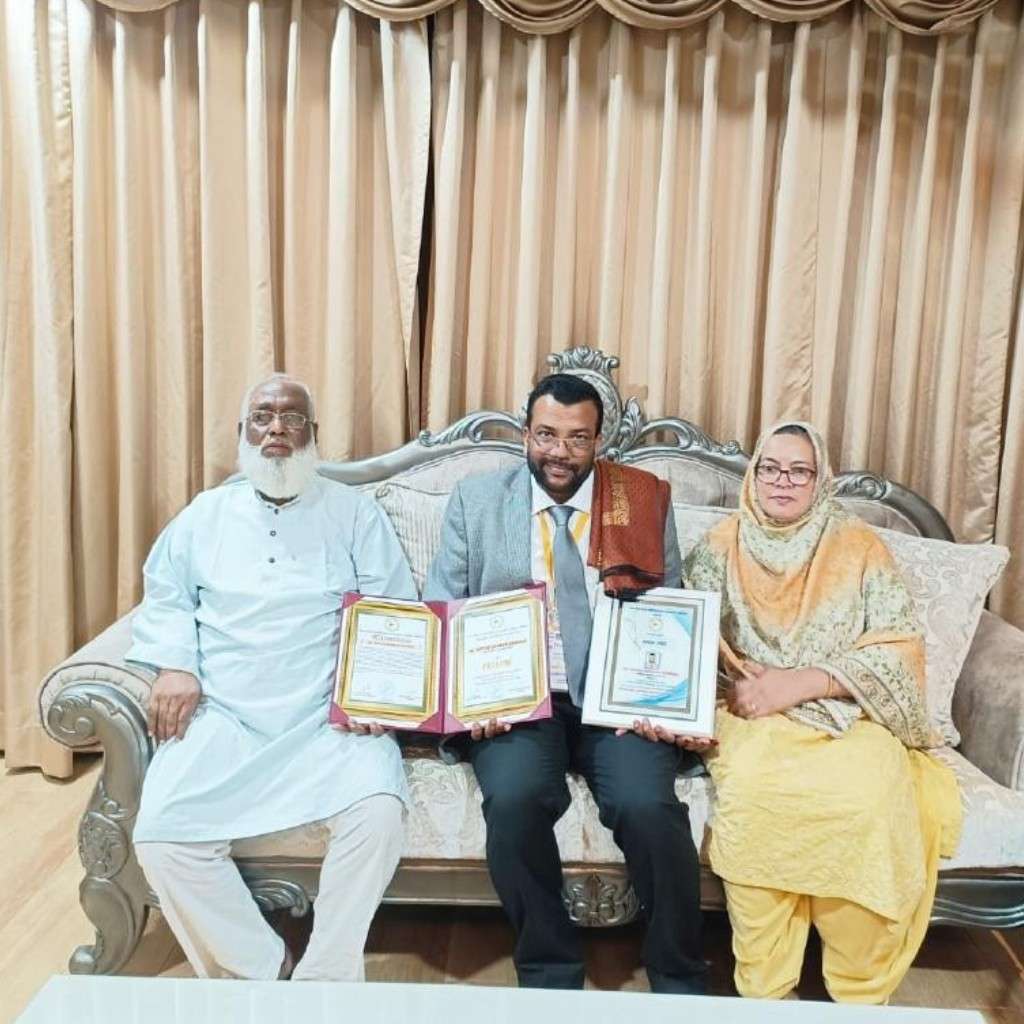
Dr Hifzur R Siddique
Family, Inspirations, Hobbies & Personal Details
The ancestral lineage of Dr Hifzur R Siddique traces back to Hazrat Abu Bakr Siddique (R.A., the first Caliph of Islam). His great-great-grandfather, Hazrat Shaikh Shah Abdullah (Abdullapur village of Nilambazar named after him), was a son of Hazrat Shaikh Tajuddin Siddique Qureshi, one of the prominent disciples of Hazrat Sheikh Shah Jalal Yemeni.
Hazrat Shah Abdullah had five sons: Shah Abdullah, Shah Nuruddin, Shah Alimullah, Shah Oliullah, and Shah Azizullah. Dr. HR Siddique is from Hazrat Shah Sheikh Sufi Nuruddin’s (who migrated from Abdullahpur to Basla) lineage.
Dr. Hifzur R Siddique comes from a distinguished lineage that values education, spirituality, and community service. His family background reflects a blend of religious scholarship, legal expertise, and academic pursuit across generations. This rich heritage has shaped his personal and professional journey, inspiring a commitment to knowledge, justice, and cultural appreciation.
The diverse inspirations from scientists, spiritual leaders, and historical figures demonstrate a well-rounded perspective that embraces both scientific inquiry and humanistic values.
Dr. Hifzur Rehman Siddique
Verified Online References – Dr Hifzur R Siddique
You can check and verify Dr Hifzur R Siddique's academic, research, and professional achievements through the following platforms:
AMU Faculty Profile
Visit NowGoogle Scholar
Visit NowBiotech Asia Editorial Board
Visit NowSpringer Publication
Visit NowResearchGate
Visit NowSciProfiles
Visit NowLiveDNA Profile
Visit NowmPositive India Article
Visit NowSemantic Scholar
Visit NowThis biography has been prepared using information directly obtained from Dr Hifzur R Siddique via email. Some details have also been cross-checked and verified from the official websites listed above. Minor details may be missing or updated over time.
Note: You can visit the links above to explore his academic profiles, publications, and latest achievements.
Dr. Hifzur R. Siddique Social Media Platforms
| Platform | Link |
|---|---|
| X (Twitter) | Visit Now – X |
| Visit Now – LinkedIn | |
| Visit Now – Facebook | |
| Visit Now – Instagram | |
| YouTube | Visit Now – YouTube |

Sahid Ahmed
Sahid Ahmed is a professional biography writer, content researcher, and SEO content creator with experience in digital publishing. He has worked on platforms like lafznews.com, managing research, writing, editing, and publishing of biography-based content. His expertise includes fact-based research, SEO optimization, and structured content creation, ensuring accurate and engaging articles for online readers


I’m really loving the theme/design of your blog. Do you ever run into any browser compatibility issues? A couple of my blog readers have complained about my blog not working correctly in Explorer but looks great in Firefox. Do you have any ideas to help fix this issue?